
7/21/26
Get out on the water
One of the best parts of a summer getaway is getting out on the water! In Saugatuck and Douglas, cruise the Kalamazoo River in a fabulous vintage electric boat from Retro Boat Rentals or rent a kayak or paddleboard from Third Coast Paddling at Wade’s Bayou. In South Haven, take a pontoon or powerboat along the Black River or onto Lake Michigan with Blue Water Boat Rentals, or pick up a kayak or paddleboard from Outpost Sports. In Galena, explore the Galena River with Nuts Outdoors, while guests with Galena Territory access can rent pontoons, fishing boats and kayaks at Lake Galena. Rentals are seasonal and popular during the summer, so be sure to reserve ahead. Stay Boutique. Explore Local.

6/30/26
Buying Property Internationally Has Been a Humbling Experience
I grew up in London but have lived and invested in the US for many years, so I assumed I'd have a pretty good idea of what to expect. I was wrong. We're now about 14 weeks into the purchase, and the latest update is still, "We're waiting for the solicitor to respond." I have a feeling they're getting a little tired of me mentioning that attorney review in the US is often wrapped up in about a week! One of the biggest surprises has been how different the process is. In England, there is typically one estate agent representing the seller. Buyers don't usually have their own agent in the way we do in the US, so you're dealing directly through the listing agent and your solicitor. It is though dual agency is standard practice which is not great on the buyers side. Another major difference is that until contracts are formally exchanged, there is very little certainty. The seller can accept a higher offer from someone else at almost any point; a practice known as gazumping. Imagine being months into a transaction, having paid for inspections and legal work, only for another buyer to come along with a higher offer and the seller walks away. Thankfully it doesn't happen every time (especially in the current slow UK market), but it's a real possibility that buyers have to live with. As someone who's invested extensively in the US, it's been fascinating to experience a completely different system. It's a good reminder that just because you understand real estate in one country doesn't mean the rules translate elsewhere. What differences caught you off guard? Any tips for surviving the UK buying process while we continue waiting for "the solicitor to respond"?

6/29/26
Using AI to create a listing?
I've spent the last few years managing vacation and experimented with AI - I am guessing most of us have. I've found that while it's been a great tool, it's not a replacement for knowing your property / guest avatar. I've found it really helpful to improve and organize our airbnb listings - for example, by organizing lists of amenities into easy to digest bullet points. But... if you use it to write the whole copy the listings end up sounding remarkably similar. They focus on features instead of experiences and tend to rely on the same generic phrases about "perfect getaways" and "lasting memories" which are just space fillers. The highest-performing listings in our portfolio aren't necessarily the biggest or most expensive. They're the ones that clearly communicate what makes the experience unique. For example, we have a tiny 1 bedroom cottage that is a real wealth generator because the description captures its charm. AI often misses because it doesn't know the home, the market, or the guest as well as I do. It seems like it's best to use AI as an assistant, not a total replacement. Just like revenue management software won't run the business, AI won't write a great Airbnb listing without my input. Have others had similar experiences with it?
6/5/26
Managing a Vacation Rental in Southwest Michigan? Here's Something Many Owners Don't Know
As short-term rentals continue to grow across Southwest Michigan, I'm seeing more and more companies offering Airbnb and vacation rental management services. What many property owners don't realize is that in Michigan, managing real estate for someone else is generally a regulated activity. If you're managing your own vacation home, that's one thing. But if a company is collecting fees to market, rent, coordinate stays, handle guest communications, and manage a property they don't own, they typically need to hold a Michigan real estate license or operate under a licensed Michigan real estate broker. As regulations continue to evolve and local communities pay closer attention to the vacation rental industry, it's becoming increasingly important for owners to understand who is managing their investment and whether they're qualified to do so. Before hiring a management company, it's worth asking a simple question: "Are you licensed to manage real estate in Michigan?" The answer may tell you a lot about the professionalism, accountability, and oversight behind the business you're trusting with one of your largest investments.
5/18/26
Responding to Guest Reviews
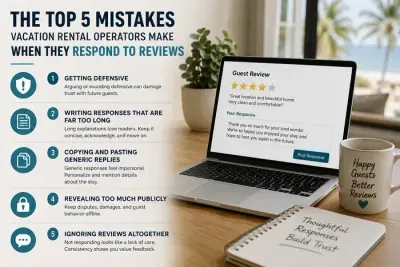
One of the biggest mistakes vacation rental operators make when responding to reviews is becoming defensive, especially when criticism feels unfair. Future guests are not just judging the review itself, they are judging how professionally the host responds under pressure. Another common issue is writing responses that are far too long and detailed in an attempt to justify every point, which can often make the situation appear worse. Many operators also rely on generic copy and paste replies that feel robotic and impersonal rather than authentic and thoughtful. Some hosts make the mistake of revealing too much publicly about disputes, damages, or difficult guest behavior, which can come across as unprofessional and uncomfortable for potential future guests reading the exchange. Finally, many operators fail to respond to reviews consistently at all, missing an important opportunity to build trust and strengthen their brand reputation. In today’s vacation rental market, review responses are part of your marketing strategy, and the best operators understand that calm, concise, and professional communication can have a direct impact on future bookings.

5/11/26
Where to start with vacation rentals
One of the biggest misconceptions about building a vacation rental portfolio is that you need to start with a huge amount of money. In reality, many successful STR investors began with strategies like house hacking — renting part of the property they lived in — or BRRRR (Buy, Rehab, Rent, Refinance, Repeat) to slowly recycle capital into the next deal. The key is focusing on properties with upside potential, running conservative numbers, and creating a great guest experience from day one. A well-managed, thoughtfully designed property with strong reviews will almost always outperform a generic rental long term. You don’t need to start big — you just need to start smart and stay consistent.
5/6/26
Driving Direct Bookings
One thing I’ve realized building The Boutique Home Group is that a lot of STR owners think they own a hospitality business when really they just own an Airbnb listing. And there’s a massive difference between the two. Airbnb helped us grow, but relying entirely on OTAs is risky when algorithms, fees, and policies can change overnight. That’s why we’ve focused so heavily on building a real brand guests actually remember through thoughtful design, human communication, repeat guest relationships, automation, AI-assisted hospitality, and experiences that feel personal instead of transactional. Ironically, the more smart tech we’ve added behind the scenes, the more personal our guest experience has become. I honestly think the STR industry is about to split into two groups: hosts simply operating listings, and hosts building true hospitality brands. The second group is the future.
4/27/26
Top Ten Midwestern STR Destinations
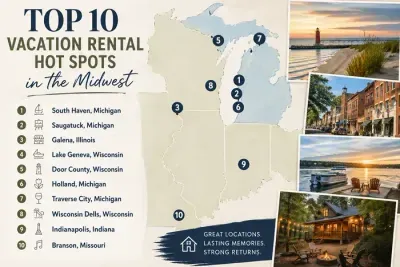
Top 10 Midwestern Vacation Rental Markets to Watch in 2026—what are people’s thoughts on this list, and are there any hidden gems gaining traction in the STR space? South Haven, Michigan offers premium summer rates, a strong Chicago drive market, and loyal repeat guests but comes with heavy seasonality and tightening local oversight; Saugatuck, Michigan brings upscale demand, walkable charm, and high ADR potential, though inventory is limited and regulations are stricter; Galena, Illinois has year-round appeal, strong group travel, and solid weekend pricing but faces increasing competition and evolving county rules; Lake Geneva, Wisconsin stands out as a four-season destination with an affluent guest base, offset by high entry costs and tightening restrictions; Door County, Wisconsin delivers scenic appeal and strong summer and fall demand but has a short peak season and rural management challenges; Holland, Michigan benefits from tulip season and summer tourism with growing recognition, though shoulder seasons can be soft; Traverse City, Michigan offers wine tourism, a longer season, and strong branding but rising prices and regulatory discussions are factors; Wisconsin Dells, Wisconsin sees consistent, family-driven demand but has lower nightly rates and high competition; Indianapolis, Indiana provides event-driven spikes and year-round demand but lacks traditional vacation appeal and requires more operational focus; and Branson, Missouri offers affordable entry and strong tourism fundamentals, though it can feel saturated with more price-sensitive guests.

4/24/26
The STR market in Galena, IL
Owning a short-term rental in Galena can generate anywhere from $15,000 to $250,000+ per year depending on the size, location, and quality of the home, but Jo Daviess County has specific rules that every owner must follow to operate legally and successfully. As local, licensed property managers, this is what we share with every new owner considering the market. To run a compliant Airbnb or Vrbo in Galena, you’ll need a short-term rental permit from the appropriate local authority (either the City of Galena or Jo Daviess County depending on location), and the core rules typically include an occupancy limit of two guests per bedroom plus two additional occupants, quiet hours generally enforced from 10pm to 8am, and a requirement to provide adequate off-street parking—usually one space per bedroom. Full application details and current requirements can be found directly on the county or city website, and staying up to date is key as regulations evolve. On the tax side, Illinois imposes a Hotel Operators’ Occupation Tax, and local lodging taxes apply within Jo Daviess County and Galena, with combined rates often landing around 10–12% depending on the exact property location; some platforms collect and remit certain taxes automatically, while others do not, which is why many owners choose a manager to handle this properly. In terms of income, well-managed homes in Galena are performing strongly across different segments—from cozy cottages to large luxury homes—especially when pricing is actively managed throughout the year. One of the biggest mistakes we see is owners setting a single nightly rate year-round; in reality, demand fluctuates significantly, with peak fall weekends during foliage season commanding $500–$1,200+ per night for larger homes, while quieter winter weekends may fall closer to $150–$400 depending on the property. Without dynamic pricing, owners consistently leave revenue on the table. At The Boutique Home Group, we handle everything from permitting guidance and tax coordination to professional pricing strategies, cleaning management, and 24/7 guest communication, all while maintaining a boutique, hands-on approach. If you’d like to understand what your Galena property could realistically earn, we’re always happy to provide a free, data-driven rental projection.

4/21/26
The STR Market in South Haven, MI
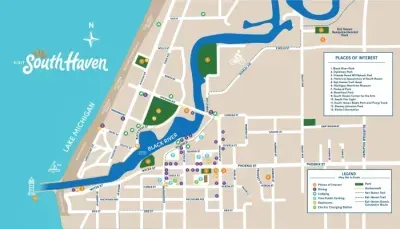
In South Haven, Michigan, the short-term rental market is being shaped by a mix of strong summer demand and increasingly structured local oversight. As one of the most sought-after beach towns along Lake Michigan, South Haven continues to attract consistent tourism—but the days of easy, seasonal-only income are fading. Local regulations and licensing requirements are tightening, and nearby communities like Saugatuck, Michigan and Holland, Michigan are following similar paths, creating a more unified, compliance-driven market across Southwest Michigan. At the same time, guest expectations are rising—travelers are booking with a sharper eye on quality, location, and amenities, often choosing professionally managed homes over inconsistent listings. The result is a market that still performs extremely well at the top end, but requires more strategy than ever: extended season marketing, dynamic pricing beyond peak summer, and a focus on delivering a polished, reliable guest experience year-round.